


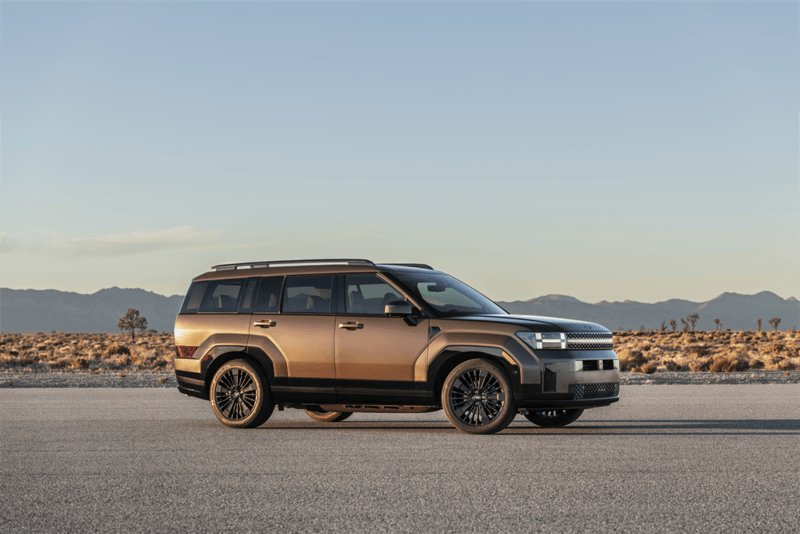
The Hyundai Tucson is a popular compact SUV available in three powertrain variants: gas, hybrid, and plug-in hybrid. Before you consider a Hyundai Tucson Hybrid lease, you should understand how these powertrains work. Lester Glenn Hyundai of Toms River highlights these differences in this extensive guide.
Gas Powertrain Details
Gas powertrains consist of a traditional internal combustion engine that runs on gasoline. They deliver quick power for a thrilling driving experience. Although many Hyundai models with a gas powertrain offer enhanced fuel efficiency, they typically produce more emissions than those with a hybrid or plug-in hybrid powertrain. To run smoothly, a gas powertrain requires regular oil changes.
Hybrid Powertrain Details
Hybrid powertrains consist of a gas engine and at least one electric motor. These components work together to charge your vehicle’s battery through regenerative braking. This helps improve fuel efficiency while driving at slower speeds in stop-and-go traffic. Routine hybrid battery inspections and oil changes help keep the powertrain running smoothly.
Plug-In Hybrid Powertrain Details
Plug-in hybrid powertrains also feature a gas engine and an electric motor, but have a larger battery than traditional hybrid powertrains. They can let you travel a fair distance on all-electric before automatically switching to gas mode after the battery runs out. This appeals to drivers who want to lower emissions while commuting. They require external charging, giving drivers flexibility to plan routes before charging at home or at a public charging station.
Compare Hyundai Tucson Hybrid Lease Offers in Toms River, NJ
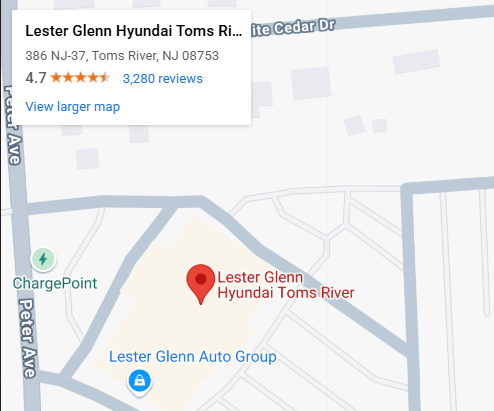
Do you want to learn more about applying for a Hyundai Tucson Hybrid lease? Stop by our Hyundai dealership in Toms River, NJ, to speak with our finance experts and compare our available plans. We look forward to meeting with you.